


Does the church today resemble the church in the 1st century?
Devoted to Doctrine – Acts 2:42a
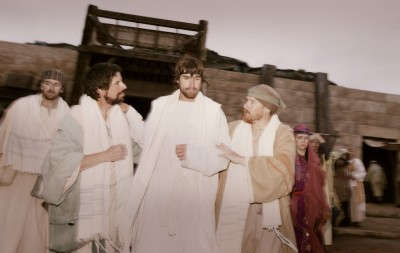 The first century church was focused on one of the most important things the church should be doing, and that is, “they devoted themselves to the apostles’ teaching” (Acts 2:42a). You might ask, was the apostle’s teaching or some translations call it, doctrine (both are right)? First of all, it wasn’t really the apostle’s doctrine but what Jesus had passed on to them. The apostle’s doctrine was Jesus’ doctrines, which He had taught them for over 3 years. These “doctrines” would be the very things Jesus commanded His disciples and the very same things He commanded them to teach others (Matt 28:19-20).

The early church taught what Jesus taught through the apostles who were taught by our Lord. If any church hopes to grow, they must teach the knowledge of the Lord Jesus Christ and that is found in the Bible. The early church was devoted to Scriptures and so should our churches be today.
Does the apostles’ doctrine the same thing as Scripture?

What does it mean to be “devoted” to “the apostles’ teaching?”
Is it more beneficial to study alone or in small groups like in a Sunday school or Bible study?
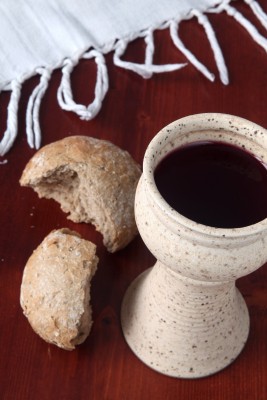
“the fellowship, to the breaking of bread and the prayers”
Fellowship and Prayer – Acts 2:42b
Since the church was devoted to the teachings of Jesus Christ, they would naturally continue in “the fellowship, to the breaking of bread and the prayers” (Acts 2:42b). You learn more from one another than from being alone, so fellowship is so important. You can’t break bread alone. The breaking of bread could be a reference to eating together and fellowshipping at a meal, but Luke seems to separate fellowship with the breaking of bread, so this could refer to the Lord’s Supper or Communion. Either way, they were people of prayer, and prayer helped the early church to seek God’s will, and part of God’s will for His children is that we have fellowship with Him, but also with one another as the Body of Christ. And again, the church today must be devoted to the Scriptures as was the 1st Century Church.
What do you think Luke meant when referring to “the breaking of bread?”
How does fellowship help the church?
What do you think the atmosphere was like at some of these “fellowships?”
Sharing All Things – Acts 2:44-45

“and they were selling their possessions and belongings and distributing the proceeds to all, as any had need”
One man told me that he attended a Christian conference for pastors in Romania, and it was the strangest feeling. Here he was half way across the globe, and yet, he felt right at home among a people he had never met nor had little in common with…but they really did have something in common; God was their Father. They were brothers in Christ, and so it was in the early church, as it says, “all who believed were together and had all things in common. And they were selling their possessions and belongings and distributing the proceeds to all, as any had need” (Acts 2:44-45).
If a need came up, someone covered it. That’s what individual members of Christ’s Body do. We have all things in common (i.e. John 3:16; Acts 4:12; Rom 10:9-13) and so we share with one another, even if it’s sharing in their sufferings for being persecuted. Today we can distribute proceeds for missionary work.
Have you ever met someone and almost known immediately if they are a Christian?
What signs made you reach that conclusion?
Were there things that made the church appealing to those outside of the church (Acts 2:43)?
Breaking Bread Daily – Acts 2:46
The church was apparently eager to worship in the early days because it says, they were “day by day, attending the temple together and breaking bread in their homes, they received their food with glad and generous hearts” (Acts 2:46). The 1st Century church was so zealous for God that they met together daily, likely to fellowship, eat, but most of all, to learn from the Scriptures and from the apostles. That meant there was daily worship and then breaking bread in one another’s home, or having a meal together, so being together gave them “glad and generous hearts.”
Does worship and fellowship (like with meals) make a difference in their lives?
In what ways is gladness connected to worship and meals?
Why does it say the received their food with glad and generous hearts?
How can someone that receives have a generous heart?
Praising God – Acts 2:47a
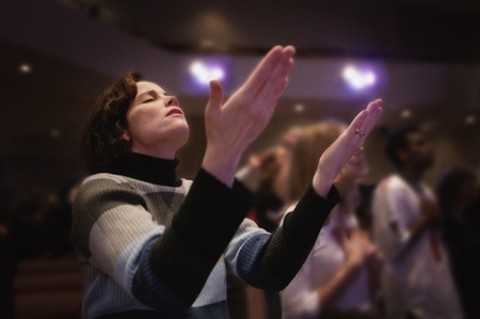 Toward the end of Acts chapter two, it says of the church, “praising God and having favor with all the people” (Acts 2:47a), so part of the passion of the 1st century church was that they were praising God and possibly, by living godly lives, they had favor with “all the people.” It helps their witness if Christians live a life above reproach. Finding favor with all the people doesn’t mean that all the people put their trust in Jesus Christ and the teaching of the gospel. It means that the unsaved were astonished by how the believer’s acted among one another and among those not in the church. That was nothing like they had ever experienced in the world, and so the people found favor in their actions.
Even under severe persecution, the church still praised God, like Job’s statement, “Even though He slay me, yet will I praise Him” (Job 13:15). God is highly pleased when we suffer unjustly, like for our faith, and yet praise Him even while it’s happening. When you give God praise, even during times of trouble, He sees you worshiping Him and trusting Him…even while things are going bad. You don’t praise that which you don’t trust, right? So the early church trusted the sovereignty of God, no matter what was going on around them.
How can we learn to praise God even in the storms of life?
Does the Christian community still retain some of these 1st century attributes, and if so, which ones?
Why did others favor the early church?
God Grows the Church – Acts 2:47b

“And they devoted themselves to the apostles’ teaching …”
As we wrap up our study about the primitive church, we see that the church was a passionate one because they studied and were “devoted to the apostles’ doctrine.” They fellowshipped together, they shared what they had, and had all things in common. Even among those outside of the church favored them, at least to an extent.
Now what happened when the church did all of this and was zealous for God, studied God’s Word, and shared their possessions and praised Him and prayed to Him? God responded by adding “to their number day by day those who were being saved” (Acts 2:47b). God added to the church because the church had a solid foundational teaching of the apostle’s doctrine, which was really Jesus’ doctrine that He commanded the disciples to teach others (Matt 28:19-20).
We know the Word of God has effectual power to change lives and to save souls (Isaiah 55:11; Rom 1:16; 1 Cor 1:18; Heb 4:12), so the early church did what they were told to do and God gave the increase or grew the church. Jesus said He would build His church (Matt 16:18), not that you and I will build it (epic fail!), but Jesus is pleased to use men and women like us as a means to reach His ends, chiefly, that God gives the increase and grows His church. These are the keys to church growth. Not some program and agenda, but just being biblical.
Which of these elements are missing from your church listed in Acts 2:42-47?
Can you do anything about the missing elements?
Why did God bring growth to the early church?
Conclusion
I pray you have put your trust in our Lord and Savior, Jesus Christ. If that has not happened yet, my friend, you are in real danger of hell fire. And I mean, in immediate danger. You’re one breath, one heartbeat…one accident away from eternity when it will be too late to repent. Today is the best day to believe (2 Cor 6:2) since tomorrow is no guarantee. If Jesus Christ came today, here is your fate (Matt 7:21-23). This is why I plead with you as you read this, repent today…and I mean right now. Put your trust in Jesus Christ. If you do not, you will face God’s judgment after death guaranteed (Heb 9:27) or at Jesus Christ’s appearance (Rev 20:12-15), which could happen at any moment.
Here is some related reading for you: How Did the Early Church Differ From the Church Today?
Resource – Scripture quotations are from The Holy Bible, English Standard Version® (ESV®), Crossway Bibles. (2007). ESV: Study Bible: English standard version. Wheaton, Ill: Crossway Bibles. Used by permission. All rights reserved.


 Welcome to What Christians Want To Know! The mission of this site is to equip, encourage, and energize Christians. Look for regular updates including Bible Verses, Bible Stories, Christian Quotes, Christian Answers, and much more. Find out